Life can feel very fast and loud sometimes. Between our phones, our worries, and the things we can’t control, it is easy to feel overwhelmed. Many people today feel like they are stuck in a cycle of stress and noise. But there is a quiet way to fight back. All you need is a ball of yarn and a small hook.
Crochet is much more than just a way to make blankets or hats. It is a powerful tool that helps your brain heal, your body relax, and your heart find peace. In this guide, we will look at all the amazing ways this simple craft can change your life, especially if you are dealing with illness or big life changes.
I. My Personal Story: Finding My Lifeline
I want to start by sharing why I am so passionate about this. Six years ago, my life changed in a way I never expected. I was diagnosed with rheumatoid arthritis (RA) and fibromyalgia. Suddenly, the body I knew felt like an enemy. The pain was constant, and I couldn’t move the way I used to. I felt like I was losing who I was. I used to be active, but now I spent many days stuck in bed.
The hardest part wasn’t just the pain; it was the long wait. I had applied for SSDI (disability insurance), and the wait for my determination letter felt like it would never end. During those years of waiting and worrying about my future, I felt like I was in a “dark place.” I couldn’t work, and I felt like I didn’t have a purpose anymore. This is a common feeling when you acquire a disability; you mourn the loss of what you could once do.
That is when I found crochet. It became my lifeline. Even on the days when my joints were stiff and I had to stay in bed, I could still pick up my hook. Feeling that soft yarn between my fingers and seeing a beautiful project grow row by row helped me feel human again. It gave me a reason to get up and a way to tell the world, “I am still here, and I am still a maker.” If you are suffering like I did, I want you to know that there is a way to find joy again, even when things feel hopeless.
II. How Crochet Helps Your Body Relax
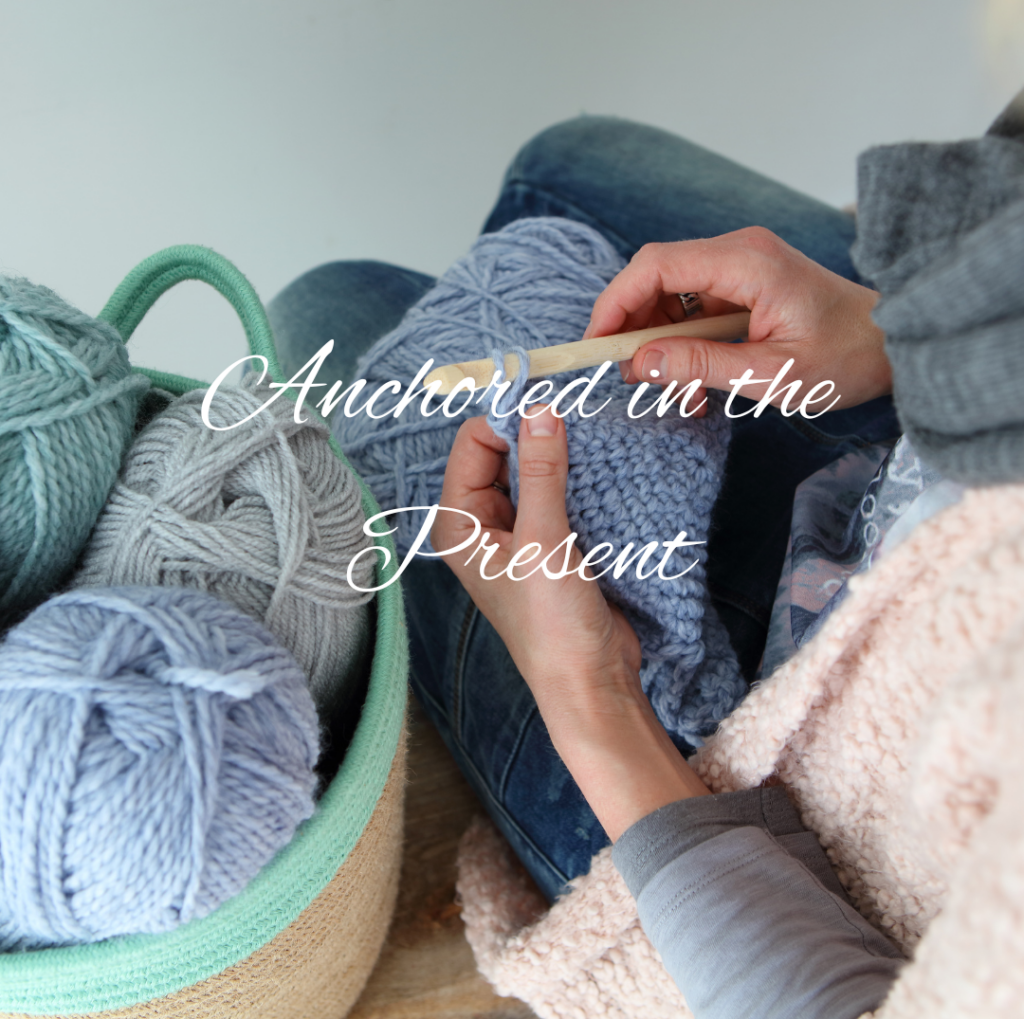
When we are stressed or in pain, our bodies go into “fight or flight” mode. This is an old system in our brain that prepares us to run away from danger. It makes our hearts beat fast, our breathing shallow, and our muscles tight. Crochet acts as a “focus anchor.” It gives your hands a rhythmic task to do so your mind can stay in the present moment.
Lowering Stress Chemicals
Scientists have discovered that the repetitive “over and under” motion of crochet tells your brain that you are safe. This lowers a stress chemical in your body called cortisol. When cortisol goes down, your heart rate slows down and your blood pressure can even drop. This is why many people feel a “wave of calm” as soon as they start stitching.
Natural “Happy” Chemicals
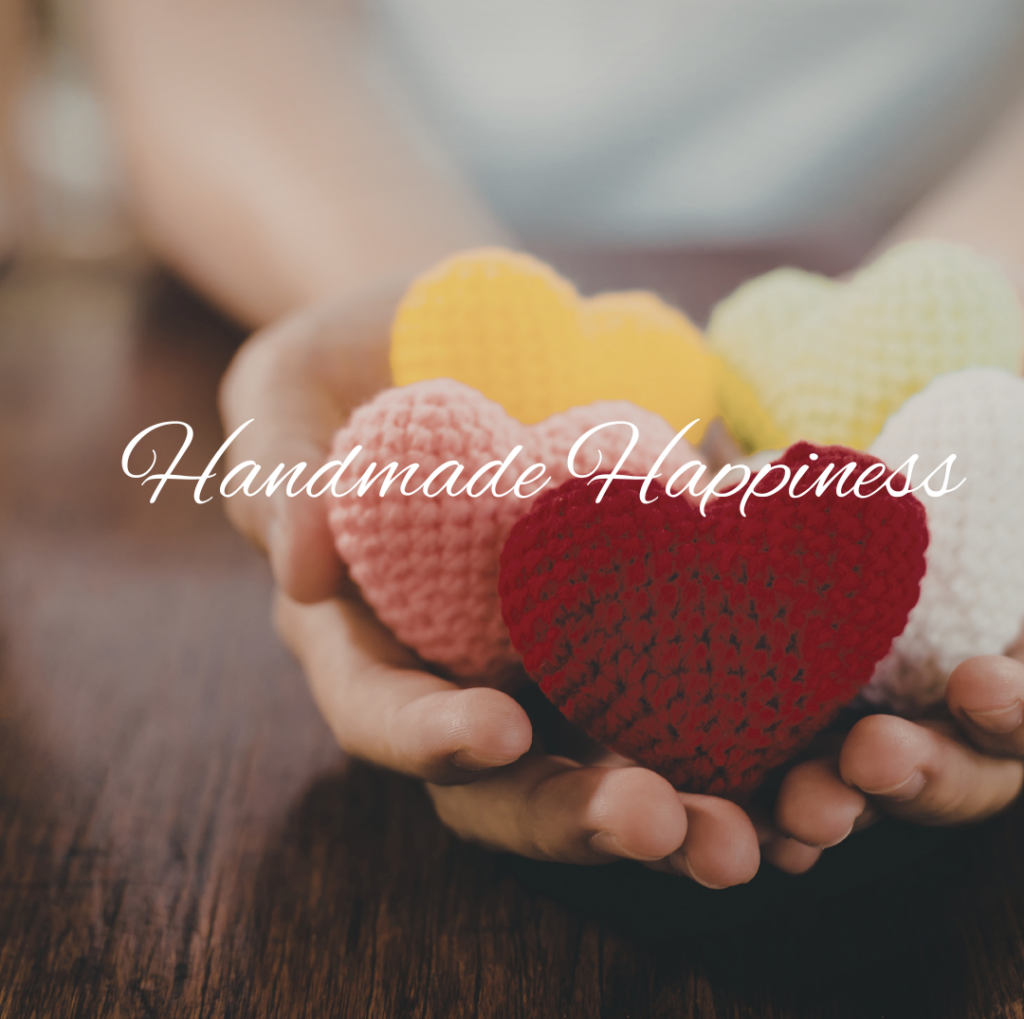
Working with your hands releases three very important chemicals in your brain that make you feel good:
- Dopamine: This is the “reward” chemical. Your brain gives you a little burst of it every time you finish a row or see your project getting longer. It helps you feel motivated and proud.
- Serotonin: This is a natural mood booster and pain reliever. The rhythmic, back-and-forth movement helps your brain make more of it naturally. In one big study, over 80% of people with depression said they felt happier after they started crafting.
- Oxytocin: This is often called the “love” or “bonding” hormone. You feel this when you sit in a crochet group with friends or when you make a handmade gift for someone you love.
| Physiological Change | What it Does for You |
| Lower Cortisol | Reduces stress, protects your heart, and helps you sleep. |
| Higher Serotonin | Acts as a natural anti-depressant and helps block pain signals. |
| Lower Heart Rate | Calms the nervous system and stops “racing thoughts”. |
| Brain Integration | Helps different parts of the brain talk to each other better. |
III. Keeping Your Brain Young and Strong
Learning to crochet is like a workout for your brain. Beginners have to learn how to read patterns, which is like learning a new language. You also have to move your fingers in very specific ways. This builds “brain muscle” through something called neuroplasticity—which is just a fancy way of saying your brain is growing new connections.
The “Brain Age” Gap
Research shows that people who do creative arts have brains that actually look younger on scans! Some studies say that doing crafts can make your brain act 3 to 7 years younger than people who don’t do them. This is because it keeps the communication lines in your brain open and fast.
Lowering the Risk of Memory Loss
Engaging your mind with a hobby like crochet can help protect you as you get older. A famous study from the Mayo Clinic found that people who did crafts like knitting or crochet were 30% to 50% less likely to have memory loss or mild cognitive impairment. Think of every stitch as a “deposit” in your “brain bank” that you can use later in life.
IV. A Specialized Tool for ADHD and Autism
For people whose brains work a little differently, crochet can feel like a superpower. It provides exactly what a neurodivergent brain needs to stay calm and focused.
Crochet for ADHD
If you have ADHD, you might feel like your mind is always racing or that you need to be doing two things at once. Crochet is a perfect “coupled activity”. Many people find they can actually sit still and listen better in meetings or classes if they have a project in their hands.
- Dopamine Hits: Since people with ADHD often crave dopamine, the “mini-rewards” of finishing a row or a small section provide a healthy way to feel satisfied without scrolling on a phone.
- The Focus Anchor: Counting your stitches gives your “busy brain” a job to do, which stops it from wandering into worried thoughts.
Crochet for Autism
For those on the autism spectrum, the world can sometimes feel too loud or overwhelming. Crochet allows you to create a “safety bubble”.
- Sensory Control: You get to choose the yarn. If you don’t like scratchy wool, you can use the softest cotton or “velvet” yarn. You are in total control of what you touch.
- Productive Stimming: Many autistic people use repetitive movements to feel calm. Crochet is a form of “productive stimming” where you use that energy to create something real.
- Logic and Order: Patterns are very logical. They follow rules and math. For a brain that loves order, following a step-by-step pattern feels very safe and relaxing.
V. Managing Chronic Illness and Pain
If you live with a condition like rheumatoid arthritis or fibromyalgia, you know that pain can take over your whole day. Crochet helps you manage this pain in two ways: physical movement and mental distraction.
The Power of Positive Distraction
Your brain has a limited amount of “bandwidth” for what it can pay attention to. When you are focused on a tricky pattern or a beautiful color, your brain has less room to process pain signals. This is called “positive distraction,” and it can actually make your pain feel less intense.
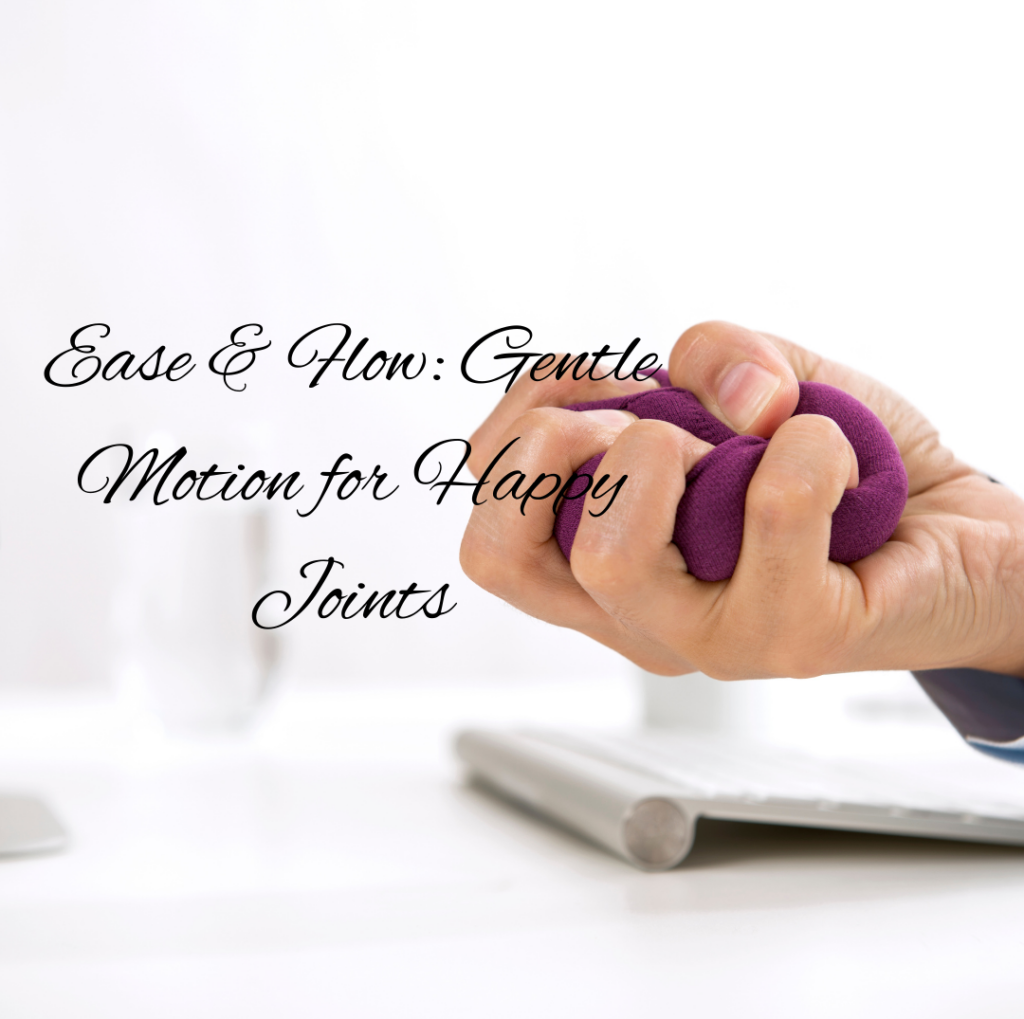
Gentle Exercise for Joints
While you have to be careful not to overdo it, the small, controlled movements of crochet can help keep your finger joints flexible. It is like a low-impact workout for your hands that can improve your grip strength over time.
- Pro Tip for Hand Pain: If your hands hurt, use ergonomic hooks. These have thick, soft handles that are much easier to grip than thin metal ones. You can also wear compression gloves to keep your hands warm and supported while you work.
| Condition | How Crochet Helps |
| Arthritis | Gentle movement reduces stiffness; ergonomic hooks make it easier to grip. |
| Fibromyalgia | Provides a productive task you can do from bed on “flare-up” days. |
| Chronic Pain | Redirects the brain’s focus away from pain signals. |
| PTSD | Repetitive movement helps ground you and reduces flashbacks. |
VI. The Fun Art of Amigurumi
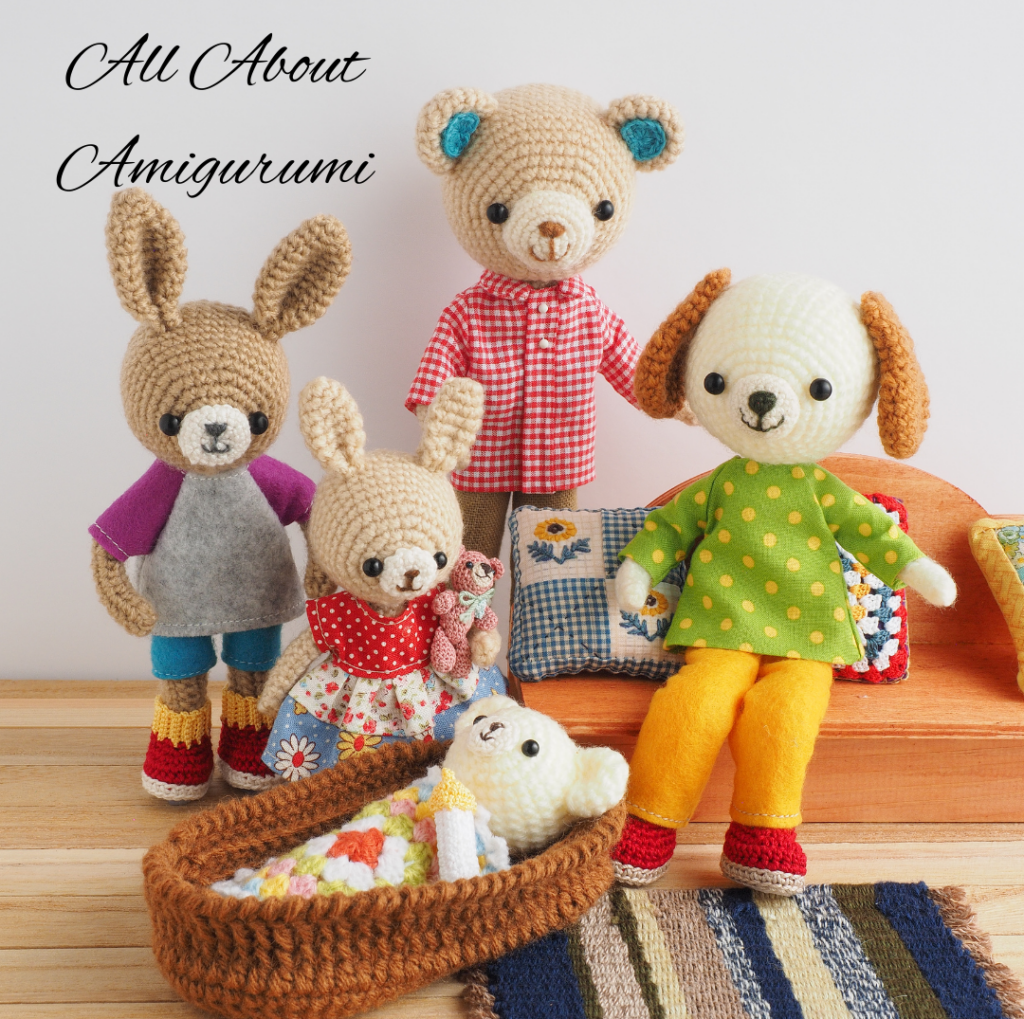
If you want to make something that truly makes people smile, you should try Amigurumi! This is the art of crocheting small, stuffed animals and cute objects.
Where did Amigurumi come from?
The word comes from Japan. It joins two words: “ami,” which means knitted or crocheted, and “nuigurumi,” which means stuffed doll. It is part of the “Kawaii” culture in Japan, which is all about things that are cute or adorable.
While Japan has made dolls for a long time, the modern Amigurumi style became very popular in the 1970s alongside things like anime. It reached the United States and the UK in the early 2000s and quickly became a favorite for people of all ages.
Why is it so fun?
Amigurumi is special because the creations often have “personalities.” Most Amigurumi are made in a “chibi” style, which means they have big heads and small bodies to make them look extra sweet. You can make anything—from a tiny penguin or a smiling cupcake to a fantasy dragon.
- Fast Projects: Many Amigurumi are small, so you can finish them quickly and get that dopamine “reward” sooner.
- Perfect for Gifts: They make the best keychains, toys, or decorations for friends and family.
- Simple Stitches: Most Amigurumi only uses one basic stitch (the single crochet), which makes it a great choice for beginners.
VII. Navigating the “Long Wait” for SSDI
Waiting for a Social Security Disability Insurance (SSDI) letter can be a very scary and lonely time. You are often told you cannot work, which can make you feel like you’ve lost your identity.
Protecting Your Dignity
Instead of feeling “unemployed,” you can identify as a “crafter” or an “artisan”. When people ask what you do, you can talk about the blanket you are making or the new amigurumi pattern you are testing. This protects your self-esteem from the shame that sometimes comes with being unable to work.
Staying Sane in Stagnation
Waiting for years for a government decision can make you feel like your life is on “pause.” Having a long-term crochet project gives you a “job” to go to every day. One person said they treated their hobby like they had been “hired” to do it, which kept them from feeling worthless while waiting for their approval.
Important Rule: Be aware of the “4-hour rule.” In some cases, the SSDI office might look at how much you do. If you are volunteering or selling items for more than 4 hours a week, they might think you are healthy enough to work a regular job. It is best to keep your crochet as a personal hobby or a low-stress way to pass the time.
VIII. Swapping Screens for Yarn
We all know the feeling of “doomscrolling”—spending hours looking at our phones and feeling worse afterward. Social media often makes us compare our “messy” lives to everyone else’s “perfect” photos, which leads to anxiety.
Breaking the Addiction
Crochet is the perfect way to break a phone habit.
- Active vs. Passive: Scrolling is passive (you just watch), but crochet is active (you are building). Being an active creator makes you feel much more satisfied.
- Eye Rest: Looking at soft yarn is much better for your eyes and brain than looking at a bright, flickering screen, especially before bed.
- Tangible Results: At the end of an hour on a phone, you have nothing but a headache. At the end of an hour of crochet, you have several rows of a scarf or the head of a new amigurumi friend.
IX. Crochet on a Budget
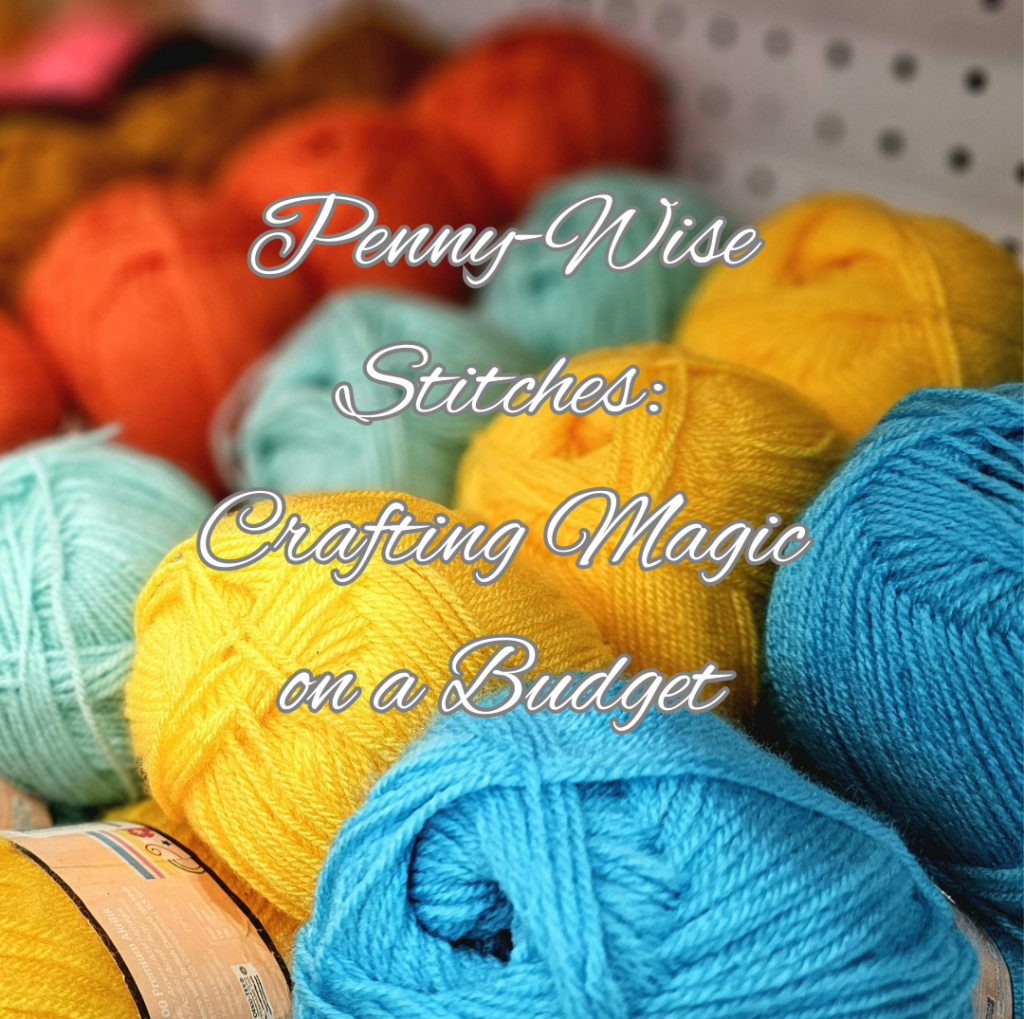
You don’t need to be rich to enjoy crochet. If you are on a fixed income or a tight budget, there are many “hacks” to keep your hobby going for almost no money.
Thrifty Yarn Hacks
- The “Sweater Hack” (Frogging): You can go to a thrift store and buy a high-quality wool or cashmere sweater for a few dollars. If you carefully cut the seams, you can unravel the whole thing and get hundreds of yards of expensive yarn for cheap.
- Yarn Swapping: Many towns have “yarn swaps” where crafters trade yarn they don’t want for something new. It’s a great way to get “new” supplies for free.
- Scrap Mastery: Never throw away even the tiniest bit of yarn! You can use scraps to stuff small toys (amigurumi) or use them as “stitch markers” to keep your place in a pattern.
- Household Items: You don’t need a fancy yarn bowl. A kitchen colander or a clean heavy bowl from your cabinet works just fine. You can even use a clean jam jar to store your hooks.
X. You Are Not Alone: The Power of Community
One of the biggest risks of chronic illness or disability is isolation. It is easy to feel like the world is passing you by. Crochet is a bridge back to other people.
Social Prescribing
In countries like the UK, doctors are now doing something called “social prescribing”. This means instead of just giving you a pill, they might “prescribe” a community crochet group to help with your loneliness or depression.
- Optional Eye Contact: In a crochet group, it is okay to just look at your stitches. You don’t have to make constant eye contact, which makes it much easier for people with social anxiety to join in.
- A Shared Language: You already have something in common with everyone in the room. You can talk about yarn colors or ask for help with a stitch, which is a great way to make new friends.
Giving Back
Even if you can’t work a regular job, you can still help the world. Many charities need handmade items. This gives you a huge boost of self-esteem because you are helping someone else.
- Knots of Love: They take soft beanies for people going through chemo and blankets for babies in the NICU.
- Project Linus: They provide security blankets to children who have been through trauma.
- Snuggles Project: They ask for small blankets for animal shelters to make the kennels more comfortable.
XI. How to Start Today: Tips for Beginners
If you are ready to pick up a hook, here is the best way to ensure you succeed without getting frustrated.
- Start Small: Don’t try to make a whole sweater on your first day. Start with a dishcloth, a simple scarf, or a small ball for amigurumi practice. Just try to do 10 minutes a day.
- Pick “Forgiving” Yarn: Choose a yarn that is smooth and light-colored. Dark yarn makes it hard to see your stitches. A “Cotton to the Core” or “GentleBliss” DK yarn is a great choice because it is soft and doesn’t split.
- Choose the Right Hook: Use a hook between 4mm and 5.5mm. If you have any hand pain, make sure it has a thick, rubbery handle (ergonomic).
- Use YouTube: There are thousands of free videos. You can set the video speed to “0.5” so it moves in slow motion while you follow along.
- Don’t Be Perfect: Your first few rows will probably look a little wonky. That is okay! The healing is in the doing, not just the finished piece. Be kind to yourself as you learn.
XII. Understanding Yarn Weights
Choosing the right yarn weight is essential for ensuring your project—whether a delicate amigurumi or a warm blanket—turns out the correct size. Yarn weight refers to the thickness of the strand, which is categorized into standard numbered tiers:
- 0: Lace (Fingering/10-count crochet thread) – Used for delicate doilies or fine lace.
- 1: Super Fine (Fingering/Baby) – Ideal for lightweight shawls or baby socks.
- 2: Fine (Sport) – A popular choice for lightweight garments and some amigurumi.
- 3: Light (DK/Light Worsted) – “GentleBliss” or “Cotton to the Core” DK yarn falls here; it is excellent for beginners because it is soft and easy to handle.
- 4: Medium (Worsted/Aran) – The most common weight for blankets, hats, and scarves.
- 5: Bulky (Chunky) – Used for quick projects like thick winter cowls.
- 6: Super Bulky (Roving) – Great for “velvet” style yarns that create soft, squishy textures for neurodivergent sensory needs.
XIII. What is blocking, and the tools and accessories needed to accomplish this task
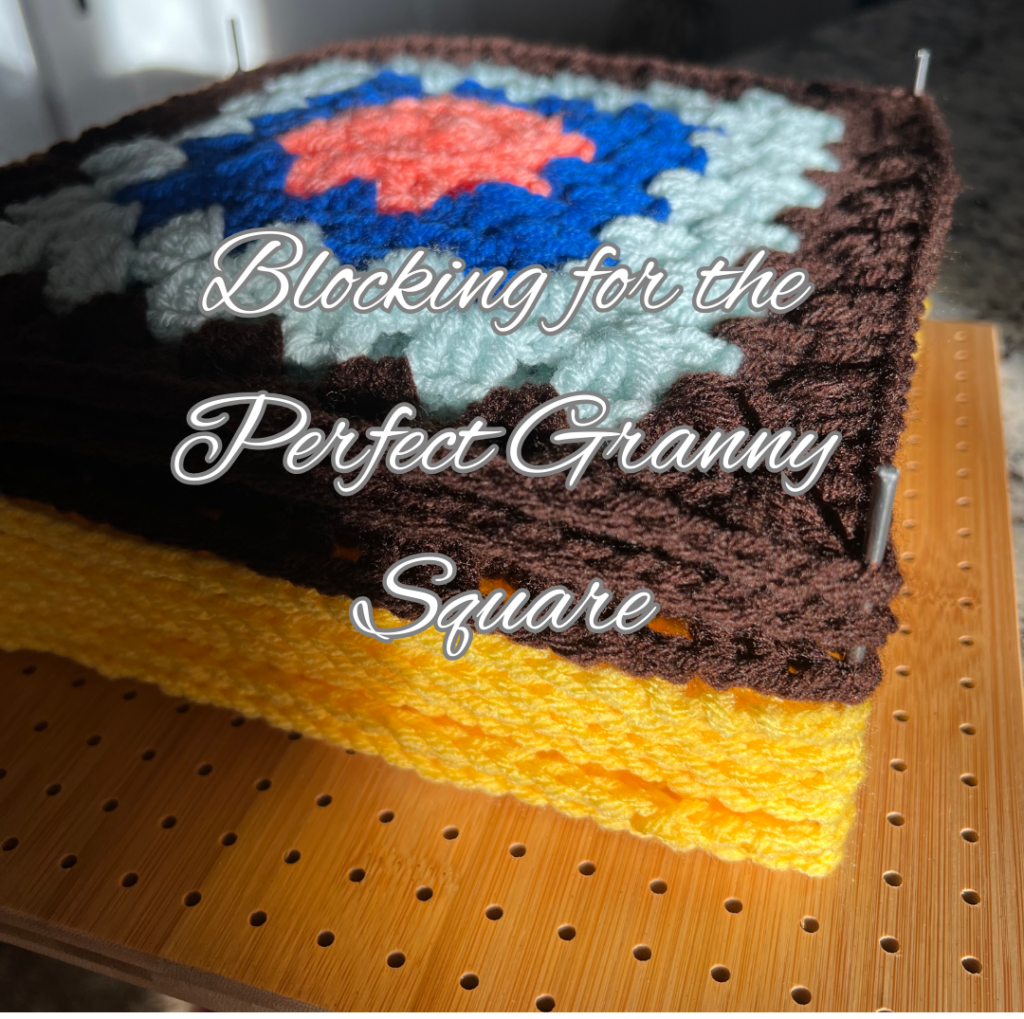
Blocking is the process of wetting or steaming your finished crochet pieces to set their final shape and size. It evens out your stitches—which can look “wonky” when first finished—and ensures that individual pieces (like squares for a blanket) fit together perfectly.
Tools and Accessories
To block your projects effectively, you will need the following items:
- Blocking Boards (Mat): These are usually foam mats with grid lines that allow you to pin your work into a specific shape (like a perfect square or circle).
- T-Pins or Blocking Combs: Rust-resistant pins used to hold the fabric in place on the board while it dries.
- Spray Bottle or Steamer: Use a spray bottle for “wet blocking” (spraying the item until damp) or a garment steamer for “steam blocking” (using heat to relax the fibers).
- Measuring Tape: Used to ensure the project is stretched to the exact dimensions required by the pattern.
- Wool Wash: A gentle soap used if you are completely submerging the item before pinning it down to dry.
Conclusion: Your Stitch-by-Stitch Journey
Crochet allowed me to mend the fabric of my own well-being, one stitch at a time. It gave me a voice when I felt silent and a purpose when I felt lost. Whether you are using it to detox from social media, manage the physical pain of arthritis, or survive the long wait of a disability determination, this age-old craft is a gift you give to yourself.
Every time you pull that yarn through a loop, you are helping your brain grow, your body heal, and your heart find its passion again. So pick up a hook, feel the yarn between your fingers, and let your own healing journey begin.
Happy Stitching,
Beatrice
